
Georgia Medical Malpractice Lawyer: When Something Didn’t Feel Right
Helping patients and families understand whether a medical mistake may support a Georgia malpractice claim.
Awards & Recognition


When Trusted Medical Care Leaves You Questioning What Happened
You trusted the care. Now you’re questioning what happened.
Most people don’t start here.
They start with a feeling.
Something didn’t sit right:
- A diagnosis that came too late
- A complication that wasn’t explained
- A treatment that made things worse
- A doctor who stopped listening
At first, you try to make sense of it.
Then the questions start:
- Was this preventable?
- Was this a mistake?
- Or is this just how it goes sometimes?
That uncertainty is where medical malpractice cases begin.
At Boggs, Cowan & Fargione, we help people in Watkinsville, Athens, and across Oconee County understand whether what happened was a known risk or something that should not have happened at all.
Straightforward advice. Trial-ready representation. Real help when it matters most.

Serving Watkinsville, Athens, and Oconee County
Medical malpractice cases often involve providers and facilities across:
- Athens-Clarke County
- Oconee County
- Northeast Georgia hospital systems
- Gwinnett County
- Newton County
- Fulton County
We aren’t intimidated by big medicine.
Whether your injury occurred at a local clinic, Piedmont Athens Regional, or St. Mary’s Hospital, we understand how these hospital systems and their insurance companies defend these cases and how to dismantle those defenses when necessary.
Not Every Bad Outcome Is Malpractice. But Some Are.
This is the hardest part for people.
Because medicine is not perfect.
Complications happen. Treatments fail. Outcomes are not guaranteed.
So what actually counts as medical malpractice?
A valid malpractice case usually involves:
- A provider-patient relationship
- A deviation from the accepted standard of care
- A direct link between that mistake and the harm caused
In plain English:
A provider made a decision or took an action that a reasonably careful provider would not have made.
And that decision caused harm.
That distinction matters.
Because malpractice is not about bad luck. It is about preventable harm.
Common Types of Medical Malpractice Cases in Georgia
We often see:
- Delayed or missed diagnosis
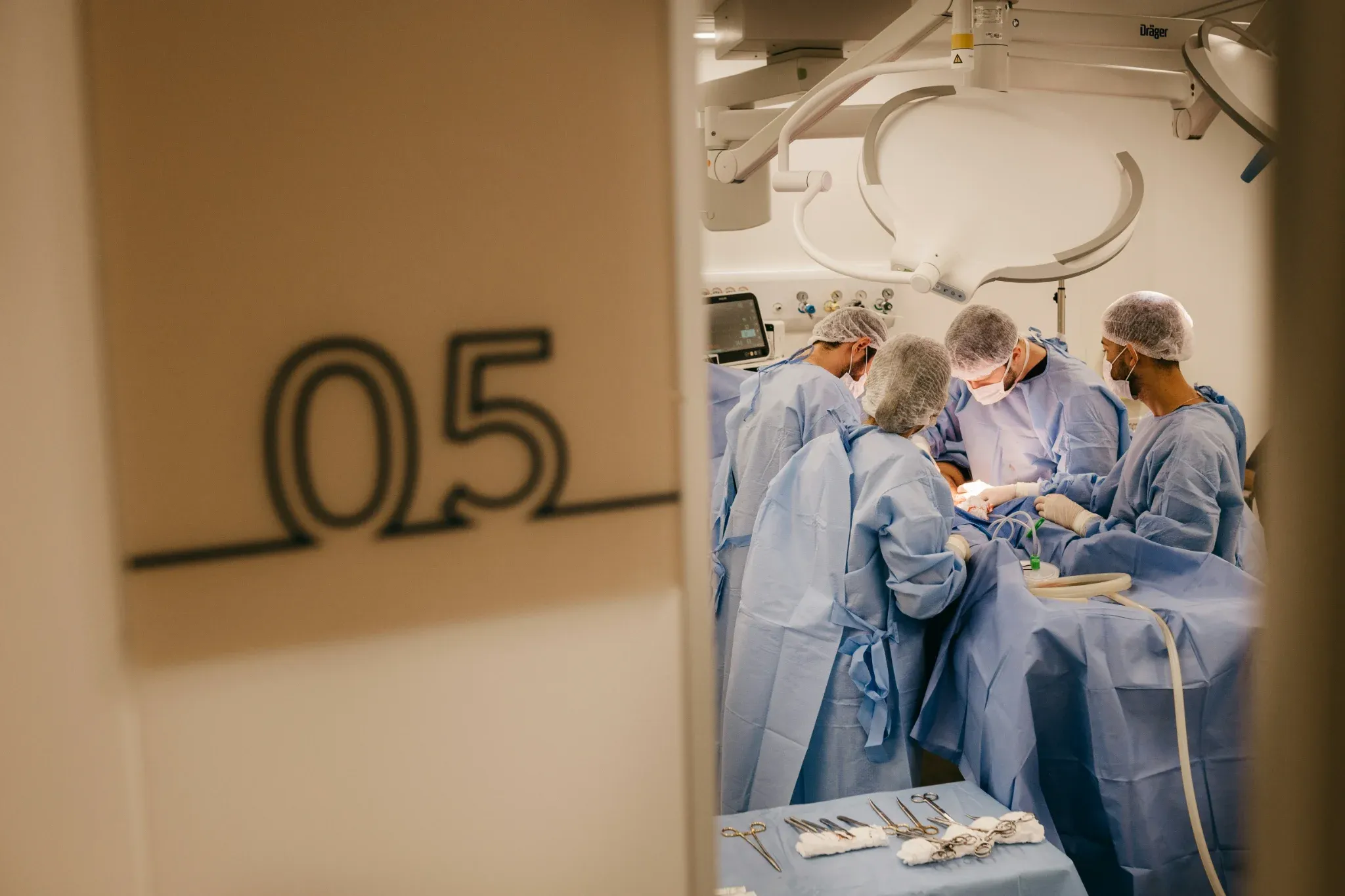
- Surgical errors
- Medication mistakes
- Birth injuries
- Failure to monitor
- Premature discharge
Not every outcome fits neatly into a category.
But many valid cases start here.
Why Medical Malpractice Cases Are More Complex Than Other Injury Claims
These cases require more than telling your story.
They require:
- Full medical record review
- Expert analysis
- A clear understanding of what should have happened
And in Georgia, there’s a critical requirement most people don’t know about.
Georgia law requires another doctor to sign an affidavit stating your provider made a mistake before you can even file a lawsuit.
You should not have to find that expert on your own.
We work with a network of independent, board-certified medical experts who review cases, identify where the standard of care was broken, and help expose what actually happened.

This Is Where Most Medical Malpractice Cases Break Down
Not because something didn’t happen.
But because it can’t be proven clearly.
Cases are often lost when:
- Records are not fully analyzed
- The wrong issues are focused on
- Expert support is not established early
- Someone accepts the explanation they were given without question
By the time many people ask questions, they’ve already been told:
“That’s just a complication.”
“That’s normal.”
Sometimes that’s true.
Sometimes it isn’t.
What To Do If You Suspect Medical Malpractice
Request Your Medical Records
You are entitled to them.
2. Write Down What You Remember
Details fade quickly. Timeline matters.
3. Continue Care If Needed
Your health comes first.
4. Do Not Rely on Informal Explanations
You deserve clarity backed by facts.
5. Beware of Hospital Risk Managers
If a hospital administrator or “patient advocate” reaches out after a complication, be cautious.
They may ask you to:
- Sign paperwork
- Accept a refund
- Give a recorded statement
Their job is to protect the hospital’s bottom line, not your family.

How Medical Malpractice Cases Work in Georgia
Step 1: Case Evaluation
We review your records and timeline.
Step 2: Expert Review
Independent medical professionals evaluate whether the standard of care was violated.
Step 3: Filing With Affidavit
Georgia requires an expert affidavit when filing a malpractice claim.
Step 4: Litigation
These cases involve:
- Depositions
- Expert testimony
- Detailed medical analysis
Step 5: Resolution or Trial
Some cases settle. Others require court.
Talk through your situation and find out if it’s worth pursuing
What Compensation May Be Available
If malpractice is proven, a claim may include:
- Medical expenses
- Future care
- Lost income
- Reduced earning ability
- Pain and suffering
- Long-term impact on quality of life
The value depends on:
- Severity of harm
- Strength of evidence
- Clarity of liability
We focus on realistic evaluation, not inflated expectations.

How Long Do You Have To File a Medical Malpractice Claim in Georgia
Medical malpractice cases follow strict timelines.
In many situations:
- A 2-year statute of limitations applies
- Additional rules like statutes of repose may apply
Waiting too long can eliminate your ability to file entirely.
Case Spotlight: Finding the Hidden Error
A client came to us after being told her post-surgical infection was “just a known risk.”
After reviewing her records and having them analyzed by an independent surgical expert, we uncovered a breakdown in basic sterilization protocols during the procedure.
What was initially dismissed as unavoidable turned out to be preventable.
The case resolved with compensation for:
- Extended hospitalization
- Additional procedures
- Long-term nerve complications
Why People Choose Boggs, Cowan & Fargione
We Keep It Clear
Medical cases are complex. We make them understandable.
We Don’t Jump to Conclusions
Not every case is malpractice. We help you figure out the difference.
We Focus on What Can Be Proven
That’s what these cases ultimately come down to.
We Are Prepared for the Long Process
These cases take time. We approach them with that in mind.
Trusted in Georgia’s Legal Community
Trusted to handle complex medical malpractice claims involving hospitals, providers, and expert-driven legal standards.
Local Medical Resources in Watkinsville & Athens
Hospitals
- Piedmont Athens Regional Medical Center
- St. Mary’s Hospital in Athens
Emergency
- Call 911 for immediate medical assistance
Talk Through What Happened
Not every outcome leads to a case. But the ones that do often start with a simple question: was this preventable?
If you’re dealing with the aftermath of a medical situation and need clarity, you don’t have to figure it out alone.
Frequently Asked Questions
It depends on whether the provider failed to meet the standard of care and caused harm. A full review is usually required.
Yes. They often require expert testimony and detailed analysis.
That does not automatically make it true. Independent review matters.
Most cases are handled on a contingency basis. We can explain exactly how that works.
They often take longer than other injury cases due to complexity.
Gwinnett County Superior Court handles a massive volume of cases. The procedures, timelines, and judicial expectations can be much faster-paced and more rigid than in our local circuits. Having counsel familiar with both the Athens area and the Gwinnett system ensures your case doesn't get lost in the shuffle.
Yes. We frequently handle personal injury and accident cases that occur along the primary commuting routes between Gwinnett and Athens. We understand how different jurisdictions handle accident evidence and liability, which is critical when a crash happens in the transition zones between counties.
No. While being local is helpful, the most important factor is hiring a lawyer who knows how to navigate the Alcovy Judicial Circuit. We regularly represent clients in Walton County and are fully prepared to handle the specific procedures of the Monroe courts while maintaining the personal communication our clients expect.
Yes. Many of our clients live in Monroe but work or have business ties in Athens, and vice versa. Handling cases across both circuits gives us a broader perspective on how judges in this region view similar issues, particularly in divorce and custody matters.
The Northern Judicial Circuit has its own unique cadence. Cases in Royston often move through a different docketing system, and the approach to resolving disputes can be more community-focused. We adapt our strategy to respect the local customs of the court while maintaining the aggressive, trial-ready representation we are known for.
Yes. Rural road accidents in Franklin and Madison counties often involve different road safety issues, such as limited visibility, lack of shoulder, or wildlife, compared to city driving. We analyze these specific factors to build a stronger case, whether we are proving liability or defending against it.